
OnlyFans has no built-in search engine, and that single design decision shapes every discovery method described below. The platform offers no feed, no category browser and no directory, so subscribers find creators through external channels, verification chains and curated ranking resources instead. This article explains how each channel works, what to verify before subscribing, and how to keep a clean portfolio of free pages without wasting money on dead listings. BestOnlyFans refreshes its rankings every month.
The absence is not a temporary bug. OnlyFans was built as a hosting layer for creators who already had an audience elsewhere, and the company has kept it that way for years. Countless guides skip this and jump straight to promotion, which leaves readers confused when the app search bar returns nothing useful.

Why OnlyFans Lacks Discovery and What Replaces It
The platform’s history explains the gap. When OnlyFans launched, most creators arrived with an existing following from social media, and the site simply handled subscriptions and messages. A discovery feed would have required moderation, recommendation systems and content classification that a small hosting operation never built.
That structure pushes all search work onto subscribers. You cannot type a niche into the platform and get results, so you rely on social media, community forums, ranking pages and creator referrals. Each substitute carries its own reliability level, and learning to weigh them is the core skill this guide teaches.

| Discovery Gap | Subscriber Response | Resulting Challenge |
|---|---|---|
| No search function | Finding pages through external links | Dependence on third-party sources |
| No category browse | Learning niche communities | Requires time and context knowledge |
| No recommendation algorithm | Manual curation of lists | High effort to maintain quality |
| No built-in price transparency | Checking prices through ranking sites | Data can go stale quickly |
The growth chart above shows why the gap matters more each year. As the user base expanded, the number of pages grew faster than any manual directory could track, which is exactly the vacuum that external resources filled.
This is also where the brand BestOnlyFans enters the picture as one ranking methodology among several. Its approach is covered later, with the same scrutiny applied to every other source type.
Social Media Verification Chains
Most discovery begins on TikTok, Instagram or X, where creators post short clips and link to their subscription page. The link itself proves nothing. What matters is the chain of evidence connecting the social account to the paid page, and that chain has five checkpoints worth running every time.
- Account age thresholds: a profile older than six months with steady posting is harder to fake than one created last week.
- Follower-to-engagement ratio consistency: healthy accounts show comments and likes roughly proportional to audience size.
- Cross-platform handle alignment: the same name or verified badge appears on at least two networks.
- Content style coherence: the tone, editing and themes match between social clips and page previews.
- Comment patterns: genuine communities respond to each other, while bot farms leave generic praise.
A failed checkpoint does not automatically mean fraud, but two or more failures should stop you from subscribing. Verification chains take about five minutes per creator and save far more time than disputing a bad charge later.

Tip: screenshot the social profile and its link before subscribing. If the page later turns out to be an impersonator, the screenshot gives you concrete evidence when reporting the account.
Verification chains also protect creators. Impersonation profiles redirect fans to fake pages that harvest payment details, and reporting them through official channels is the only way platforms remove them quickly.
Ranking Site Methodologies and Selective Use
Because the platform has no directory, third-party ranking sites do the categorization work. They differ enormously in quality. Some aggregate public data automatically, some rely on community votes, and some combine editorial review with price tracking. Knowing which model you are reading prevents bad decisions.
- Data source transparency: the site states where figures and prices come from.
- Update frequency: prices are rechecked often enough to stay accurate.
- Methodology documentation: ranking criteria are published rather than implied.
- User verification: claimed prices match what actual pages show, which is the standard a transparent methodology like the one BestOnlyFans describes is built around.
Even the best ranking page is a snapshot, not a live feed. Prices change, pages go inactive and promotions expire, so treat every listing as a starting point that needs one final check on the platform itself.
| Site Type | Data Approach | Best Application |
|---|---|---|
| Algorithmic aggregator | Scrapes public signals automatically | Monitoring price ranges over time |
| Community-voted list | Rankings from user submissions | Spotting popularity trends |
| Editorial curation | Human review and category notes | Assessing niche fit before subscribing |
| Hybrid model | Combines automated data and review | Balanced checks across criteria |

The revenue split shown above is a useful sanity check when reading any listing. Creators keep 80 percent and the platform takes 20 percent on everything, so a page advertised with implausible earnings claims is usually marketing noise rather than data.
Community Channels and Corroboration Requirements
Reddit threads, Discord servers and niche forums often surface creators that ranking sites miss entirely. The trade-off is bias: some recommendations are genuine, others are coordinated promotion by the creators themselves or their managers. Corroboration separates the two.
- Check multiple community sources rather than trusting one enthusiastic post.
- Review the recommender’s posting history for patterns of pushing the same link.
- Look for specific details in reviews, such as pricing behavior or posting frequency.
- Cross-reference names against ranking site data for price and activity signals.
- Wait for secondary confirmation from an unrelated user before engaging.
Communities that enforce disclosure rules produce more reliable signals. If a server bans criticism of its own promoted list, that is a structural bias you cannot correct through individual verification.
Free platforms, including this free onlyfans no credit card resource, collect zero-cost pages into one place. Used alongside community threads, such lists give you a fast starting point, though the same verification steps still apply to every profile they mention.

Direct Creator Referrals and Network Effects
Your existing subscriptions are an underused discovery channel. Creators collaborate with each other, shout out peers in posts, and sometimes list recommended pages in their tip menus. These referrals come from someone whose content you already chose, which is a stronger signal than anonymous lists.
Referrals still need evaluation. A collaboration between two creators may be paid promotion, and the recommended page might not match your interests. Check the referred page’s pricing structure before subscribing: paid subscriptions run from a $4.99 minimum to a $49.99 maximum, with most accounts sitting between $4.99 and $15.
Free pages work differently. They set the base price to $0 and earn through pay-per-view messages and tips instead. PPV unlocks go up to $50, paid chat commonly runs $3 to $5 per message, and tips can reach $100, so a zero-cost subscription does not mean zero spending.
Safety Protocols for External Discovery
Off-platform discovery widens the attack surface. Fake login pages, payment redirects and impersonation accounts all target subscribers who arrive from social media rather than the official app. Six habits cover most of the risk.
- Never click direct payment links posted in social media comments or bios.
- Verify the OnlyFans domain before entering credentials anywhere.
- Use a dedicated payment method rather than your primary card.
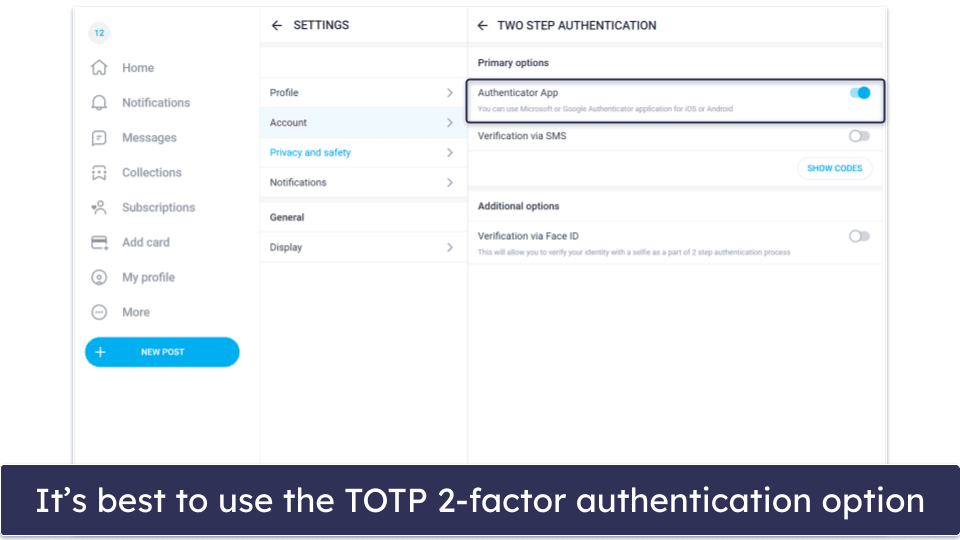
- Enable two-factor authentication on your account.
- Check for platform verification badges on the creator’s profile.
- Report suspicious accounts through official support channels.
Payment mechanics matter too. The card verification hold is $0.10 and is refunded within days, which is normal. Anyone asking for a larger upfront “verification” payment outside the platform is running a scam.

Warning: when a creator raises the base price, auto-renew stops automatically and access lasts only until the paid period ends. If a page suddenly changes price, decide deliberately rather than discovering the lapse weeks later.
Building a Curated Free Page Portfolio
A portfolio approach turns scattered discovery into a manageable system. Instead of subscribing impulsively whenever a link appears, you track sources, evaluate pages over time and prune what stops delivering value.
- Document the source for every discovery, whether social media, forum or ranking page.
- Run a 30-day evaluation period before deep engagement with any page.
- Track spending by source channel to see which channels bring value.
- Review source quality quarterly and drop channels with poor hit rates.
- Prune follows systematically when a page goes inactive or changes direction.
Most paid pages cluster between $5 and $10, so a small portfolio adds up quickly. Promotional first months can dip below $4.99, for example a $3 first month, but base prices never do, and treating promotions as the normal rate distorts your budget planning.
Review your portfolio on a fixed schedule rather than when a charge surprises you. The platform shows no discovery feed, so your own records become the directory you never got from the app.

That statistics snapshot underscores the scale you are navigating: millions of accounts, no central index, and no shortcut around verification. A disciplined portfolio is the practical answer.
FAQ
How do I verify a creator’s OnlyFans link from social media is legitimate?
Run the five checkpoints from the verification chain section: account age, engagement consistency, handle alignment across platforms, content coherence and comment authenticity. Then confirm the link resolves to the official domain before entering any credentials.
What red flags indicate a discovery source is unreliable?
Repeated promotion of the same link without disclosure, missing methodology notes, prices that never match live pages, and communities that punish criticism are the clearest signs. Two or more together usually mean the source is selling placement rather than ranking honestly.
How often should I verify prices from ranking sites against actual pages?
Check before every new subscription, since listings age quickly. For pages you already follow, recheck after any renewal notice or price change, because auto-renew stops when a creator raises the base price and access ends with the paid period.
Can I rely on creator self-promotion for accurate free page claims?
Partly. Creators do know their own pages, but free status can change and promoted claims skip details like PPV pricing up to $50 or paid chat at $3 to $5 per message. Treat self-promotion as a lead, then confirm on the page itself.